
Spider Solitaire - Card 2026
NiuAIGOCard
4.5200.00 Reviews
- Version
- 1.0.8
- Installs
- 100.00K
- Age Rating
- Everyone
Screenshots
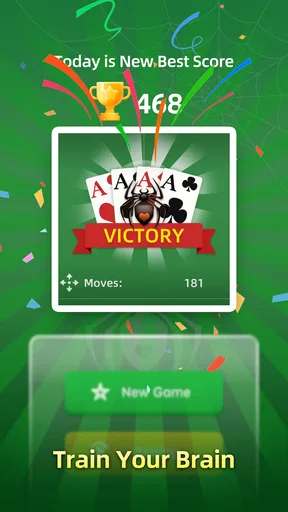
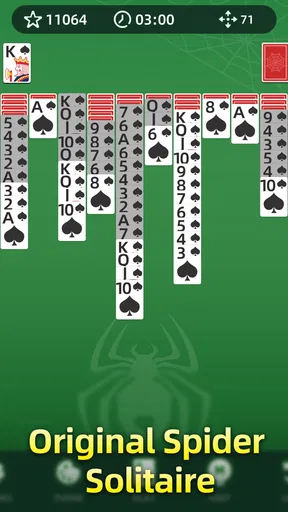
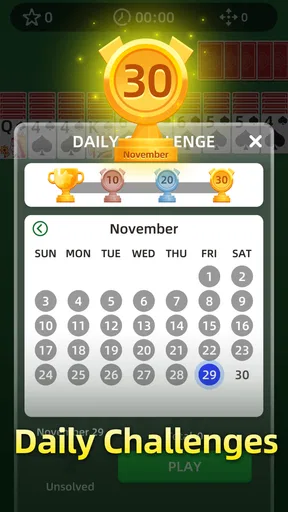
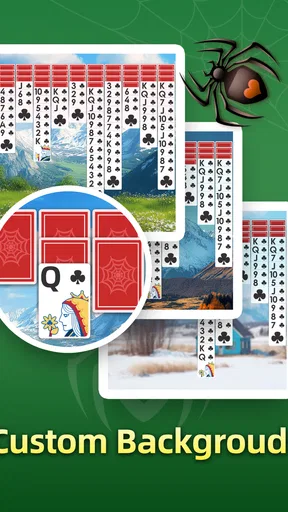
Our Review of Spider Solitaire - Card 2026
 Analysis by Appyee
I have always liked card games that give me something to think about without demanding a long commitment, and Spider Solitaire - Card 2026 fits that space well. It is a free card game from NiuAIGO built around the familiar Spider Solitaire rules, with a clean enough rhythm for a quick break and enough planning to make a successful deal feel earned. I tested it with the mindset I would use for a game on my own phone: a few hands while waiting, a longer session when I wanted to concentrate, and repeated attempts after a bad decision.
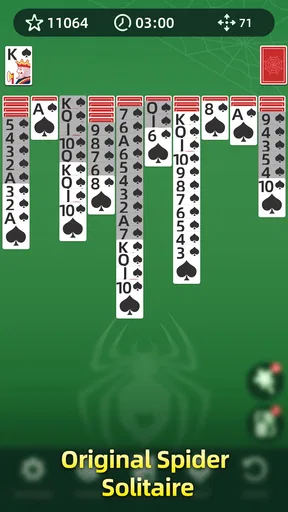
The appeal is immediate. You move cards, expose hidden cards, build descending sequences, and try to clear complete runs. The rules are recognizable, so I did not need a tutorial-heavy introduction before making my first move. That simplicity is important here because the game’s pleasure comes from the decisions inside a hand, not from learning a complicated interface. The store’s short description is simply Spider Solitaire, and that directness matches the experience: this is a focused card game rather than a large package of unrelated modes.
After spending time with it, my view is that the game works best as a quiet, repeatable puzzle. It is not trying to replace a deep strategy title or a social card platform. Instead, it turns a traditional solitaire format into a convenient mobile routine. The strongest reason to keep playing is the loop of making a move, seeing the layout improve, completing a useful sequence, and then starting again with the thought that the next deal might reward a better plan.
How the first move sets up the whole hand
The first action in Spider Solitaire is rarely dramatic, but it matters. I begin by looking for moves that reveal a face-down card rather than simply shifting an exposed card into a convenient-looking position. That small distinction changes the entire hand. A move that creates space can be more valuable than one that completes a short descending stack, because empty columns later become useful for temporarily holding a sequence.
This is where the classic rules feel more interesting than the relaxed presentation might suggest. The cards are easy to understand, but the order of operations is not always obvious. I have found myself pausing before a legal move because legality alone does not make it good. Moving a long stack may look productive, yet it can hide the card I need or remove flexibility from a column. The better opening is often the one that gives me more information.
For a new player, I recommend treating the opening as an information-gathering phase. First search for moves that uncover cards. Then check whether a move creates an empty column. Only after that should you worry about making the layout look tidy. This approach makes the game less frustrating because a failed hand becomes easier to understand: I can usually identify the moment when I spent space or concealed a card too early.
The controls support this kind of thinking because the game stays centered on the cards. I did not feel pushed toward a separate progression system before I could enjoy a hand. That makes it suitable for someone who already knows Spider Solitaire and wants a straightforward mobile version, while still being approachable for a casual player who is willing to learn through a few attempts.
There is also a useful psychological effect in starting a new deal. The opening layout presents a small problem rather than a large commitment. I can examine the visible options, make one decision, and immediately see whether the board becomes more open or more constrained. That quick response encourages experimentation, but it also punishes careless optimism. The game gives enough feedback to teach patience without turning each mistake into a lecture.
One practical tip is to avoid spending an empty column as soon as it appears. I prefer to leave that space available until I have a clear reason to use it, such as moving a mixed sequence temporarily or exposing a buried card. An empty column is not just a visual sign of progress; it is working room. Using it too early can leave the rest of the layout cramped, especially when several columns contain cards that cannot yet be rearranged efficiently.
The feedback rhythm is clearer than the rules first suggest
The satisfying part of a hand comes from the steady feedback after each action. A card moves, a hidden card becomes available, a stack grows, or a column becomes less crowded. None of these moments is huge on its own, but together they create a rhythm that keeps me engaged. I am constantly asking whether the last move improved my future choices, not merely whether it was allowed.
That rhythm is especially noticeable when I uncover a card that changes the plan. A red card may make a black sequence useful, or a newly exposed card may reveal that I should have preserved a different column. The board communicates these changes visually, so I can adjust without leaving the hand to consult instructions. For a card game, that clarity matters more than decorative extras because the layout itself is the conversation between the game and the player.
I also like the difference between immediate and delayed feedback. Moving a card into a descending sequence feels helpful right away, but the real reward may come several moves later when that arrangement lets me uncover a hidden card. Conversely, a move that appears to open a column can create a dead end if I have no suitable stack to place there. This delayed consequence is what gives the familiar rules their replay value.
My most useful habit has been to count opportunities rather than cards. Before moving a stack, I consider how many columns it could realistically interact with afterward. If the move requires a specific card that is still buried, it may be better to preserve the current arrangement. This is not a complicated strategy, but it prevents the common mistake of making a move because it looks active. In this game, quiet flexibility often beats visible motion.
The feedback is also well suited to short sessions. If I only have a few minutes, I can make a handful of decisions and still feel that I have completed a meaningful puzzle segment. If I have more time, the same feedback loop naturally expands into a full attempt. That flexibility is one of the game’s practical strengths: it does not require me to remember a story, maintain a team, or wait for another player.
Still, the focused design can feel limited if I want variety every few minutes. Players who expect multiple card modes, competitive tables, or a large collection of challenges may find the experience narrow. The game’s identity is its traditional Spider Solitaire loop, so its consistency is both its advantage and its boundary. I would choose it for concentration and repetition, not for a constantly changing stream of activities.
Why completing a sequence feels earned
The reward in a good Spider Solitaire hand is not only the visual clearing of a completed run. It is the knowledge that several earlier choices finally connected. I may have preserved a column, delayed a tempting move, and used a temporary space carefully; when a full sequence comes together, those decisions become visible in the result. That makes success feel more personal than simply tapping a reward button.
For me, the strongest reward is a sudden increase in freedom. Completing a sequence removes clutter and can expose new possibilities across the remaining columns. The board feels lighter, and the next decision becomes easier to evaluate. This creates a useful escalation: early moves are about creating options, middle moves are about protecting them, and later moves are about converting them into completed runs.
That structure makes the game a good fit for everyday situations where I want a small mental reset rather than passive entertainment. Imagine sitting in a waiting room with ten minutes available. I can open a hand, study the visible cards, and work through a few deliberate moves. Even if I do not finish, I have exercised attention in a contained way. On another day, I might return to it after dinner and play several hands because the previous attempt left me wondering whether a different opening would have worked.
The game is also useful for players who enjoy learning from failure. A lost hand can expose a specific weakness: perhaps I opened a column without a plan, broke apart a useful sequence, or focused too much on immediate movement. I can carry that lesson into the next deal. That makes the reset feel purposeful rather than random, even though the new layout asks a different question.
One trade-off is that the reward depends heavily on appreciating gradual progress. Anyone looking for instant spectacle may find a completed sequence understated. There is no need for the game to turn every successful arrangement into a major event, but players who prefer strong audiovisual feedback or a dramatic progression system may want a different kind of card game. I personally prefer the quieter response because it keeps attention on the puzzle.
The game is free to download and is suitable for Everyone, which makes it easy to recommend for a broad audience. There are in-app purchases ranging from $2.99 to $9.99 per item, so I would still advise checking the purchase flow before handing the phone to a child. The age-friendly presentation is helpful, but “free” does not mean every optional item is included without cost. That is a practical point worth remembering when choosing a casual game for shared devices.
Resetting the board without losing the lesson
The reset is where this type of game either becomes a habit or gets deleted. In this case, starting over is quick enough that a failed hand does not feel like a major interruption. I can accept that a position has become unproductive, reset my expectations, and approach the next layout with a more careful opening. The reason to begin another session is not merely that the previous one ended; it is that the next arrangement may reward a different sequence of priorities.
I do not treat every loss as proof that I played badly. Sometimes the important lesson is simply that I committed too early. On the next attempt, I may spend more time comparing the first available moves before touching the board. That small pause changes the game from automatic card movement into a deliberate puzzle. It also helps prevent the repetitive frustration that can come from restarting without changing anything.
A useful reset routine is to remember one decision, not the entire hand. If I try to memorize every card and every branch, a casual game becomes work. Instead, I ask one question: did I protect space, reveal information, or complete a useful sequence? If the answer was none of these, I know what to improve next time. This keeps the learning curve manageable and makes short sessions feel constructive.
The reset loop also explains why the game can appeal to different kinds of players. A beginner can replay until the rules become natural. An experienced Spider Solitaire player can focus on efficiency and the quality of early decisions. Someone who only wants a calming distraction can ignore optimization and enjoy arranging the cards. The same board supports different levels of attention without requiring a separate difficulty system to make the experience worthwhile.
On the other hand, players who dislike repetition should think carefully before choosing it. The basic activity remains the same from hand to hand: organize cards, expose hidden information, create useful space, and complete runs. The satisfaction comes from variation within that structure, not from a changing genre. If you need narrative chapters, online opponents, or a broad collection of card games in one app, a larger alternative may serve you better.
Device compatibility is reasonably accessible for an older phone because the game requires Android 6.0 or later. It was released on November 29, 2024, and the current version is 1.0.8. I see that combination as useful for readers who do not own a recent handset but still want a modern, dedicated solitaire experience. The game has also reached over one hundred thousand installs and holds a 4.5 average from around one thousand two hundred ratings, which suggests that its simple approach has found a substantial audience.
Where it stands beside familiar solitaire alternatives
Compared with playing Spider Solitaire in a web browser, this app feels better suited to a personal routine because it is dedicated to the card game rather than surrounded by unrelated page elements. I can open it with a clear intention: play a hand. That focus is valuable when I want a break that starts quickly and ends naturally.
Compared with a large solitaire collection, its narrower purpose is both a strength and a weakness. A collection is the better choice if I want to switch between Klondike, FreeCell, Pyramid, and other formats. This game is better when Spider Solitaire is specifically what I want and I do not want to spend time browsing a menu of alternatives. The decision comes down to focus versus breadth.
Compared with competitive card games, there is less pressure and no need to match another person’s pace. I can stop after a move, think through a difficult arrangement, or end a session without affecting anyone else. That makes it a comfortable option for commuting, winding down, or filling a short gap. The trade-off is that players who enjoy rankings, direct competition, or social interaction will find the experience solitary in the literal sense.
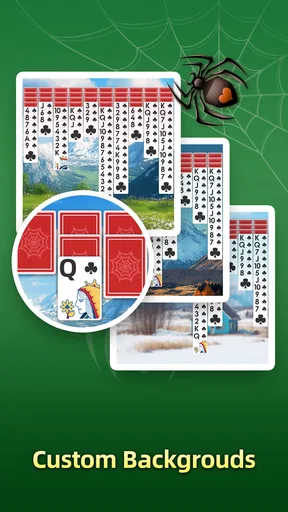
I would also place it ahead of more decorative solitaire apps for readers who value a clear puzzle over visual spectacle. The game’s core is easy to understand, and the smooth-play promise is reflected in how naturally the hand moves from one decision to the next. However, anyone choosing a solitaire app mainly for themes, customization, or a large reward economy should compare those priorities before settling here. This title is most convincing when the cards themselves are the reason for playing.
One non-obvious advantage is how well the game supports stopping at a sensible point. Because the loop is divided into recognizable stages—opening the layout, creating room, assembling sequences, then clearing them—I can pause after a meaningful improvement instead of waiting for a timed event. That is useful for people who want entertainment that respects interruptions. A disadvantage follows from the same design: if I prefer games that provide a strong sense of long-term account progression, a single-hand puzzle may feel too self-contained.
Who should install it and who should skip it
I would recommend Spider Solitaire - Card 2026 to anyone who already enjoys the classic card format and wants a direct mobile version for quiet, repeatable play. It is also a good starting point for a newcomer who prefers learning by moving cards rather than reading a long manual. The rules are familiar enough to grasp quickly, while the consequences of each move provide room to improve over time.
It is particularly suitable for short breaks, relaxed evening play, and anyone who likes puzzles with no social pressure. I can imagine recommending it to a friend who wants something more involving than scrolling but less demanding than a full strategy game. The free entry point makes trying it easy, and the Everyone rating broadens its appeal for shared family devices.
I would skip it if your main requirement is a wide catalogue of card games, online competition, elaborate progression, or constant novelty. I would also look elsewhere if you dislike restarting a hand after a poor sequence of choices. Spider Solitaire rewards patience and repetition; it does not disguise those traits. The optional purchases may also matter to people who want a completely purchase-free environment, so I would review the on-device options carefully before committing to regular use.
My final judgement is positive, with a clear qualification: this is a focused Spider Solitaire game, not an all-purpose card hub. Its best quality is the action-feedback-reward-reset cycle. I make a move, see whether it opens the board or narrows it, earn the satisfying payoff of a completed sequence, and then begin again with a better question in mind. That loop is simple, but it remains compelling because every new layout gives me another chance to turn careful choices into visible progress.
After using it, I would keep it installed for those moments when I want a calm puzzle that starts immediately and does not demand a large time investment. NiuAIGO has kept the experience centered on the traditional game, and that restraint works in its favor. If you want a clean, thoughtful card break rather than a busy gaming platform, this is a sensible choice.
Verdict
Strengths of Spider Solitaire - Card 2026
- Classic solitaire rules are easy to learn for beginners.
- Multiple difficulty levels provide a gradual challenge.
- Offline play is convenient when you have no internet access.
- Short rounds work well for quick breaks or casual sessions.
- Simple card controls make games comfortable on touchscreens.
Limitations of Spider Solitaire - Card 2026
- Advanced layouts can feel frustrating without helpful moves.
- Repetitive gameplay may not satisfy players seeking more variety.
- Ads may interrupt the experience, depending on the version.
- Small cards can be difficult to read on compact phone screens.
- Some features may require purchases or an internet connection.
Other Releases by NiuAIGO
View All
Mahjong Classic: Tile Puzzle
Board4.7
Similar Picks in This Category
View All
Solitaire - Classic Card Games
MobilityWare4.6

UNO!™
Mattel163 Limited4.3

Spider Solitaire: Card Games
MobilityWare4.6

Solitaire.com - Classic Cards
Tripledot Studios Limited4.7

Plants vs. Zombies™ Heroes
ELECTRONIC ARTS4.1

Hearthstone
Blizzard Entertainment, Inc.4.1
Frequently Asked Questions
What is Spider Solitaire - Card 2026?
Spider Solitaire - Card 2026 is a digital version of the classic solitaire card game, designed for players who enjoy strategic, relaxing single-player challenges. The goal is to arrange cards in descending order within the tableau and complete full suits from King to Ace. Depending on the available mode, you may be able to choose different suit difficulties, customize the card table, and track your progress through scores or completed games.
How do you play Spider Solitaire - Card 2026?
To play, move cards between columns while building descending sequences. Cards can usually be moved individually or as an organized group when they share the same suit and order. When a complete sequence from King through Ace is formed, it is removed from the table. The game ends when all suits are completed, but careful planning is important because empty spaces, hidden cards, and limited moves can quickly make a layout difficult to solve.
Is Spider Solitaire - Card 2026 suitable for beginners?
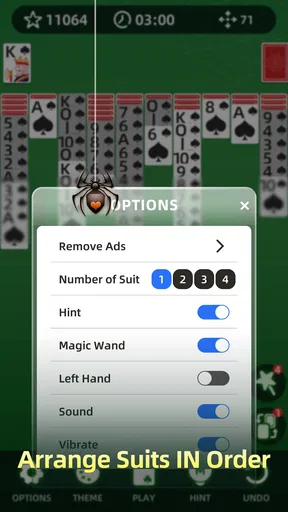
Yes, the game can be suitable for beginners, especially if it includes an easy one-suit mode. Starting with one suit helps new players understand card movement, uncovering hidden cards, and creating empty columns without feeling overwhelmed. More experienced users can increase the challenge by selecting two- or four-suit layouts. Before downloading, check whether the version offers hints, undo options, tutorials, or adjustable difficulty, since these features can make learning much more comfortable.
Does Spider Solitaire - Card 2026 work offline?
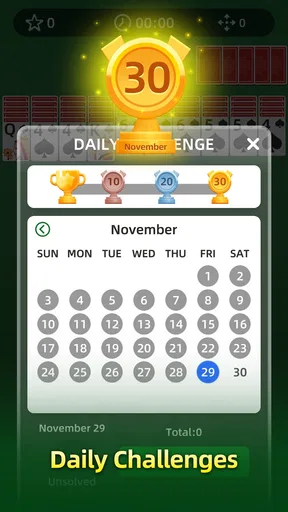
Many solitaire games are designed to work without a constant internet connection, which makes them convenient for travel, commuting, or relaxing away from home. However, some features may still require internet access, including advertisements, cloud synchronization, online leaderboards, daily challenges, or analytics. After installation, it is worth testing the game in airplane mode to confirm which functions remain available. Also review the store listing for the developer’s current offline-play and connectivity information.
Is Spider Solitaire - Card 2026 free to download, and does it contain ads?
Spider Solitaire - Card 2026 may be free to install, but free versions commonly support development through advertising, optional purchases, or both. Ads can appear between rounds, on menus, or after completing a game, while paid options may remove advertising or unlock visual themes and extra features. Pricing and availability can vary between Android and iOS and may change over time, so review the store page and in-app purchase details before downloading.
Play our best games!


